
 It has been one year since the onset of the coronavirus and the rapid shift to remote work as stay-at-home orders were implemented on a global basis.
Companies in multiple industries, including advertising and media, moved quickly to adapt to this new reality. According to a 2020 study of knowledge workers sponsored by Slack and fielded by GlobalWebIndex (GWI), 44% of U.S. workers were “primarily working from home” by the end of the summer.
In the months that have followed, many organizations have announced plans to implement the remote work model for employees on a go-forward basis. Part of this transformation includes reconfiguring operations, consolidating locations, renegotiating office leases and embracing flexible employee schedules and distanced living arrangements.
An obvious bi-product of these moves is the potential for organizations to lower their expense base, whether in the context of reduced direct labor costs related to distanced living policies or the reduction in overhead costs related to items such as:
- Indirect labor
- Space and facilities management
- Property taxes
- Office equipment
- Office supplies
- Corporate insurance
- Non-billable travel
- Non-billable new business expenses
- Professional fees
Given that direct and overhead costs are components of calculating marketing service agency fees, one would reasonably expect that as agencies reduce their cost base, the fees charged to their clients would also be reduced.
The operative question for a client to ask of their agencies is, “How and when will our rates be adjusted to reflect the savings related to your remote work model?” To be fair, even though a large percentage of agency personnel may be working remotely, the timing as to when and how much rates will be reduced will partially depend upon how quickly the renegotiation of certain financial commitments (e.g. office lease obligations) can occur.
Whether any reductions have been fairly calculated will be difficult to assess. The vast majority of client-agency agreements limit a client’s ability to audit agency payroll and overhead costs. True cost-plus remuneration plans, while quite rare, sometimes allow for an advertiser’s independent accounting and or financial audit firm to verify an agency’s actual overhead or require the agency to provide a letter of attestation from its CFO or audit firm.
Either way, establishing guidelines and maintaining an open dialog about the impact of a remote work model are an excellent way to shape expectations and maintain the requisite level of transparency.
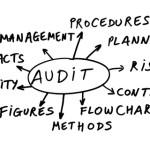 For most organizations, the “Right-to-Audit” is a staple in their advertising agency agreements. Worded properly, this important contract language provides the company an opportunity to periodically check ad agency compliance with contract terms, review financial support that should agree to agency billings and to otherwise evaluate various performance metrics.
 It is time for marketers’ treasury management teams to turn their attention and scrutiny to the ad industry practice of “estimated” billing.
 T
T Chances are, in 2020 your advertising budgets were slashed in response to your organization’s fiscal response to COVID-19.
 One sad reality of 2020 was the negative impact of COVID-19 on U.S. employment. Simply stated, the loss of jobs resulting from shelter in-place regulations negatively impacted business sectors ranging from travel and hospitality to retail and yes, advertising.
 Like many business segments, the ad industry has never been one to welcome government involvement when it comes to policing itself, and perhaps rightly so. That said, now may be the time to embrace the regulators.
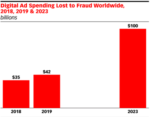 Renowned fraud investigator, Dr. Augustine Fou once commented that, “ad fraud is more lucrative than tax fraud, counterfeiting goods or being a Somali pirate.” Adding credence to the increasing role of organized crime and criminal nation states in
 For most companies, marketing spend can be considered a material expense, often running at 5% or more of annual revenue. Yet, a majority of these organizations have not included marketing in their corporate governance and risk mitigation efforts, conducting limited or no supplier compliance, financial management and performance testing.
 It was a simpler time when advertising agencies began to “unbundle” in the 1980’s, separating media planning and placement from creative. This, along with the shift from remuneration systems predicated on commissions to direct labor-based fees, formed the basis for today’s advertising agency model.